Free educational articles to help you build a structured, disciplined trading process.
Choosing which trading strategies to try should begin with your schedule, market access, risk limits, and ability to follow the rules—not with whichever strategy produced the most impressive screenshot online. The right strategy is one you can clearly define, realistically execute, test with reliable data, and continue following through normal losing periods.
A trend following strategy is a systematic trading method that buys assets in upward price trends and sells or shorts assets in downward price trends, without attempting to predict where prices will go. The strategy produces a positively skewed return distribution, meaning large gains in strong trending months outweigh the smaller losses in flat or choppy periods.
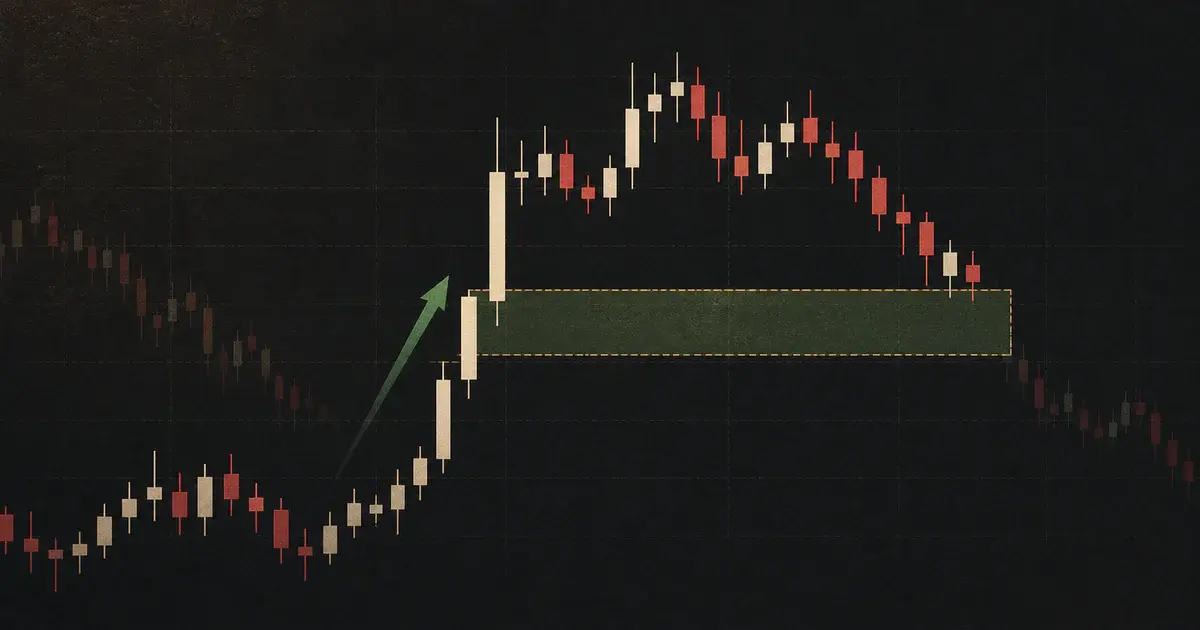
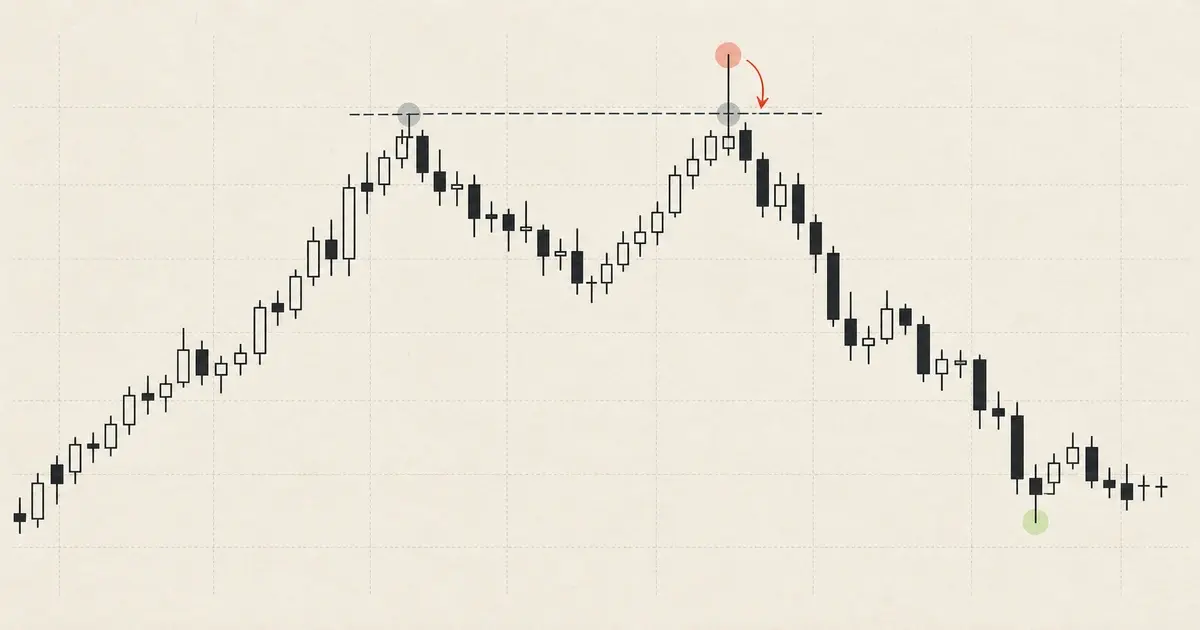
A high probability trade setup is a repeatable set of market conditions that statistically produces a favorable reward-to-risk ratio. These setups combine chart patterns, structural levels, volume confirmation, and multi-timeframe alignment to give you a measurable edge.
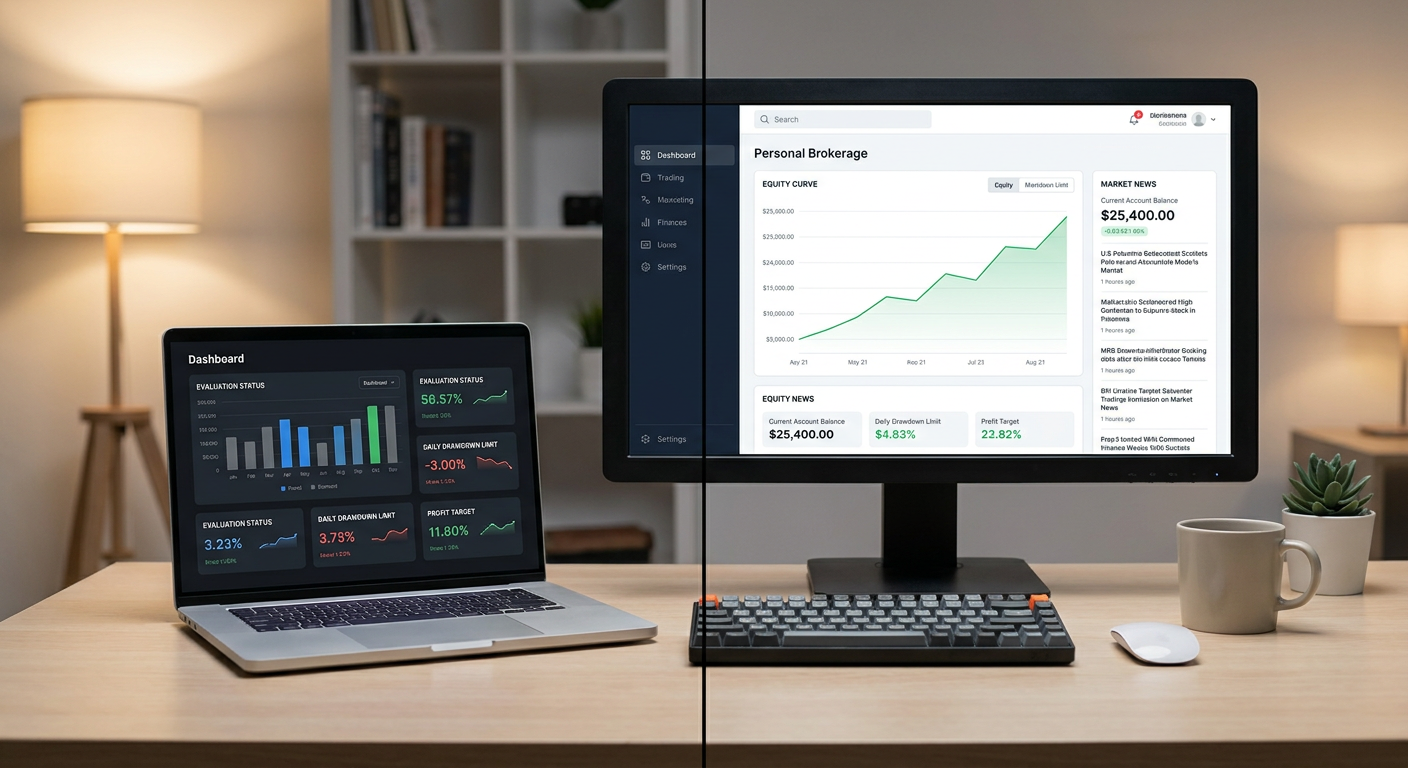
A prop firm account is generally better suited to a trader who has a tested strategy but limited personal capital and is comfortable following strict external rules. A personal trading account is generally better suited to someone who can fund their own trading, wants full control over their strategy, and wants to keep all net profits. Neither option is automatically safer or more profitable.
Passing a prop firm challenge is not mainly about finding more winning trades. It is about reaching the profit target without violating the firm's daily loss, maximum drawdown, consistency, trading-day, or prohibited-strategy rules. The best way to pass a prop firm challenge is to trade a strategy you have already tested, risk significantly less than the firm allows, stop trading before you approach the official loss limit, and treat the evaluation as a risk-management test rather than a race.
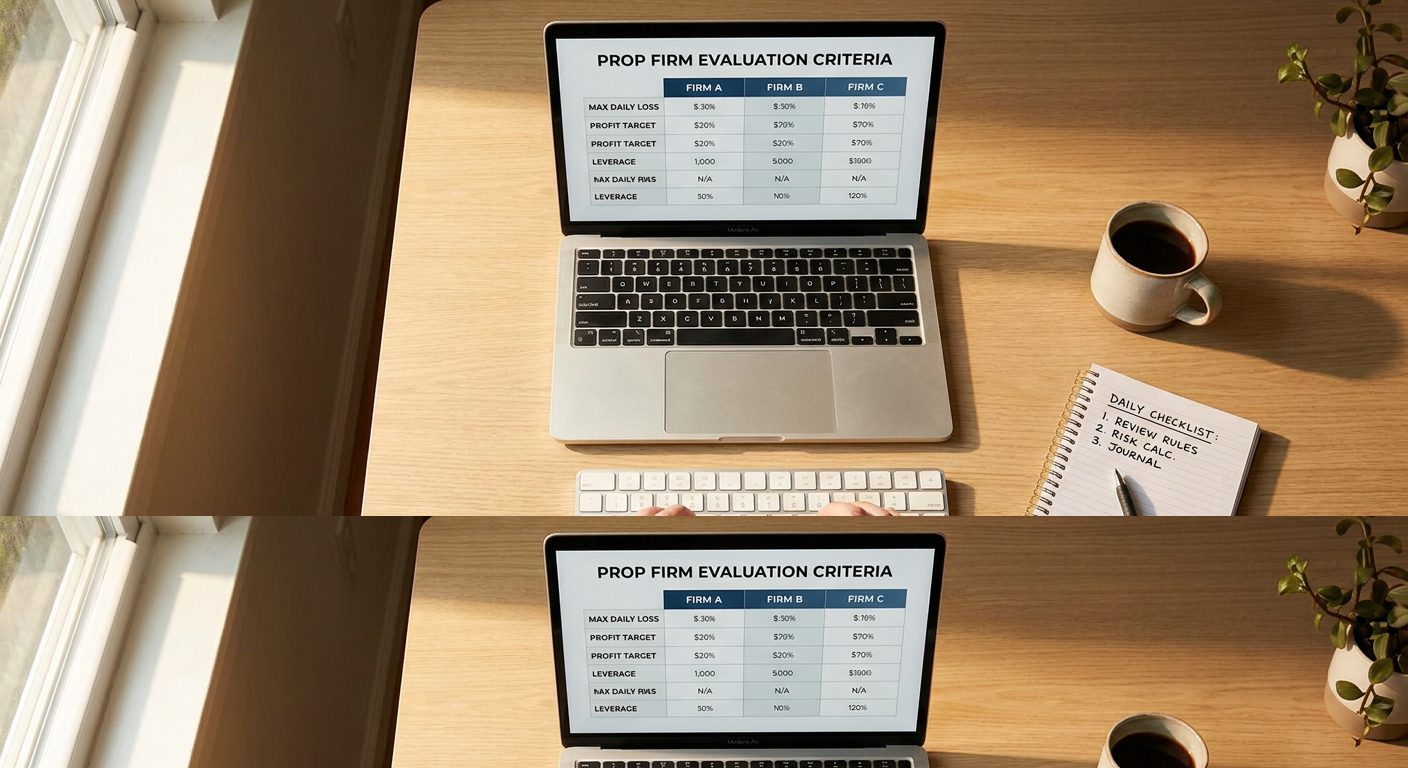
Choosing a prop firm in 2026 is not about finding the biggest account size or the highest profit split. It is about finding the firm whose rules match the way you actually trade. In this guide, we compare The5ers, FundedNext, and Goat Funded Futures and explain what matters before you pay for any challenge.
Backtesting vs forward testing is one of the most important differences every trader needs to understand before trusting a trading strategy. Backtesting shows how a strategy would have performed on historical market data, while forward testing shows how that same strategy behaves in live or simulated real-time conditions.
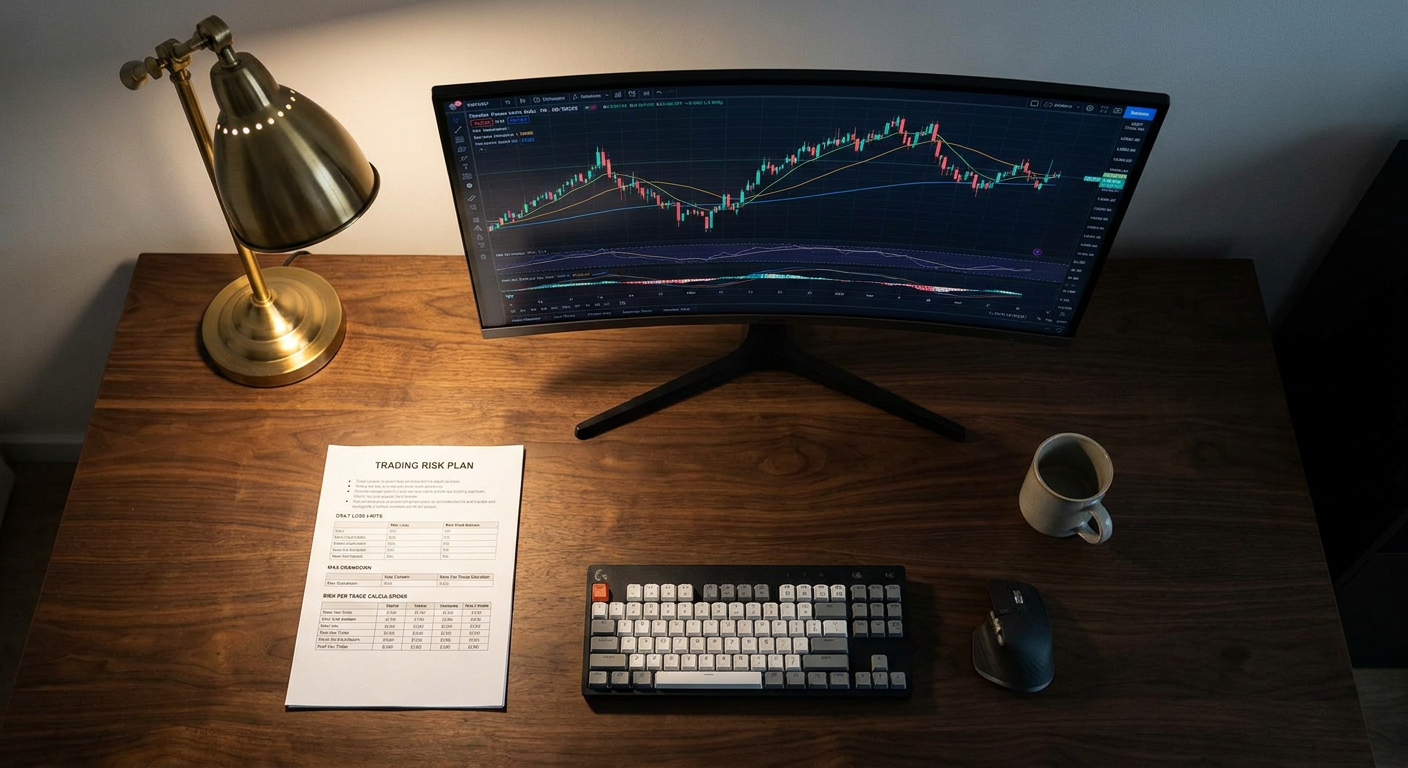
Most beginner traders focus on one question: "How much can I make?" But a better question is: "How much can I lose if I am wrong?" Risk management is the process of protecting your trading account from large losses. It does not guarantee profit, but it helps you stay in control when the market moves against you.
A trading plan is a written set of rules that defines how you trade. It tells you what market to trade, when to enter, when to exit, how much to risk, and what to do if things go wrong. Without a plan, you are guessing. With a plan, you are following a process.
If you want to be a profitable trader, the first thing you need to understand is this: profitability does not come from one perfect trade. It does not come from one indicator, one signal, one strategy screenshot, or one lucky win. Trading is not about being right once. It is about building a process that can be repeated, tested, reviewed, and improved over time.
A lot of beginners think they need a perfect strategy, a lot of money, expensive indicators, or a secret signal group to start trading. The truth is different. To start trading properly, you need a basic understanding of the market, a clear plan, simple risk management, a place to practice, and the discipline to track what you are doing.
Apply what you learn. Browse transparent strategies published by the community.