What Do You Need to Start Trading?
A lot of beginners think they need a perfect strategy, a lot of money, expensive indicators, or a secret signal group to start trading. The truth is different. To start trading properly, you need a basic understanding of the market, a clear plan, simple risk management, a place to practice, and the discipline to track what you are doing.
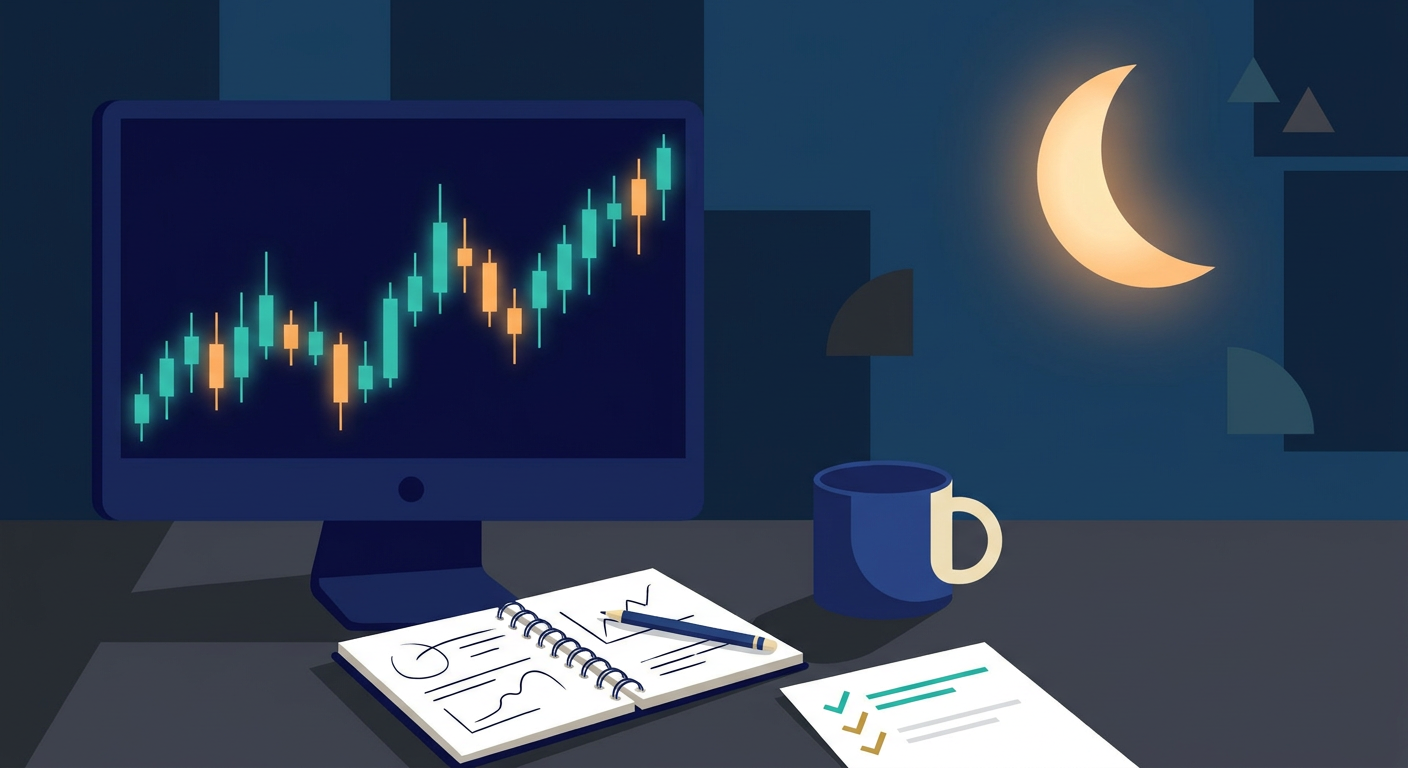
1. Basic Market Knowledge
Before placing real trades, you need to understand the basics of how markets work. You do not need to know everything. You do not need to master every indicator, every pattern, or every trading style. But you should understand the foundation.
You should know:
- What a market is and what price movement means
- What support and resistance are
- What trends and ranges are
- What a candlestick chart shows and what timeframes are
- What spread, commission, and slippage mean
Many beginners skip this step and jump directly into trades. That usually creates confusion. They enter randomly, close trades emotionally, and change strategy every few days.
A trader who understands the basics will make better decisions than a trader who only follows signals.
2. A Market to Focus On
You also need to decide what type of market you want to study.
Each market moves differently. Crypto can be very volatile. Forex is open almost all week. Stocks are linked to companies and news. Indices often react strongly to economic events.
As a beginner, it is better to focus on one market first. Do not try to trade everything at the same time. Pick one market, study it, observe it, and build experience with it.
3. A Reliable Broker or Trading Platform
To place trades, you need a broker or trading platform. A broker gives you access to the market. The platform is where you view charts, place orders, manage trades, and track positions.
Before using any broker, check important details such as:
Do not choose a broker only because someone online promotes it. Also, do not rush to deposit money before testing the platform.
4. A Demo Account
One of the best things a beginner can use is a demo account. A demo account allows you to practice trading with virtual money. This helps you understand how the platform works, how orders are opened and closed, and how price moves in real time.
You can use a demo account to practice:
- Entering trades and setting stop losses
- Testing a strategy with repeatable rules
- Reading charts and managing risk
- Tracking results and building a routine
The goal of a demo account is not to pretend you are rich with fake money. The goal is to practice your process. If you cannot follow rules on a demo account, it will be even harder to follow rules with real money.
5. A Simple Trading Strategy
A strategy is not just "buy when I feel price will go up" or "sell because the chart looks weak." A strategy should explain when you enter, why you enter, where you exit, and how much you risk.
A beginner strategy should include:
The important thing is not that the strategy is perfect. No strategy is perfect. The important thing is that the strategy is clear enough to repeat.
A good beginner goal is to build one simple strategy and test it long enough to understand how it behaves.
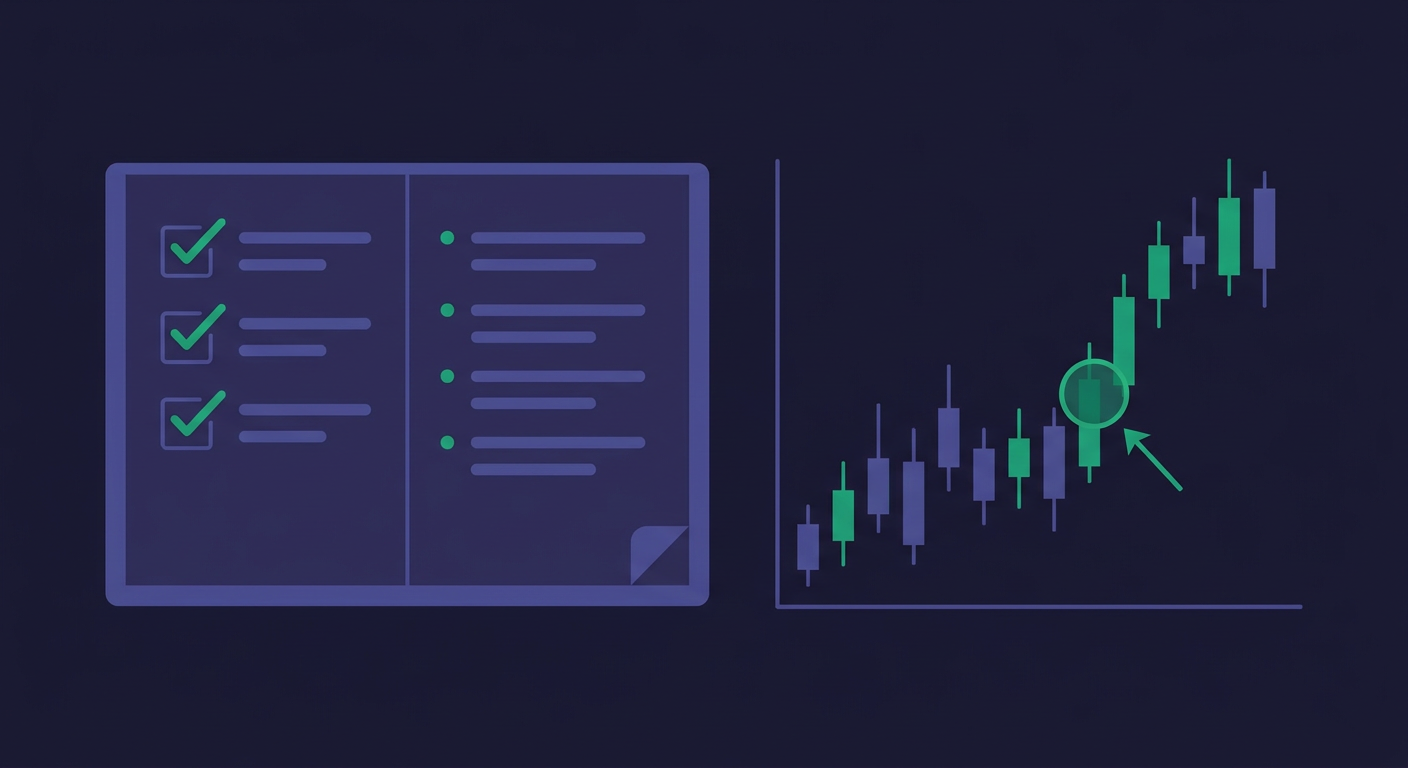
6. A Trading Plan
A trading strategy tells you how you enter and exit trades. A trading plan tells you how you behave as a trader. Your trading plan should be written before you trade.
It can include:
- What market, timeframes, and strategy you follow
- How much you risk per trade and per day
- When you stop trading and what you do after losses
- How you review your performance
Without a trading plan, it is easy to overtrade. You start forcing setups, try to recover losses, and stop following your rules. A trading plan protects you from yourself. It gives structure to your decisions before emotions take control.
7. Risk Management
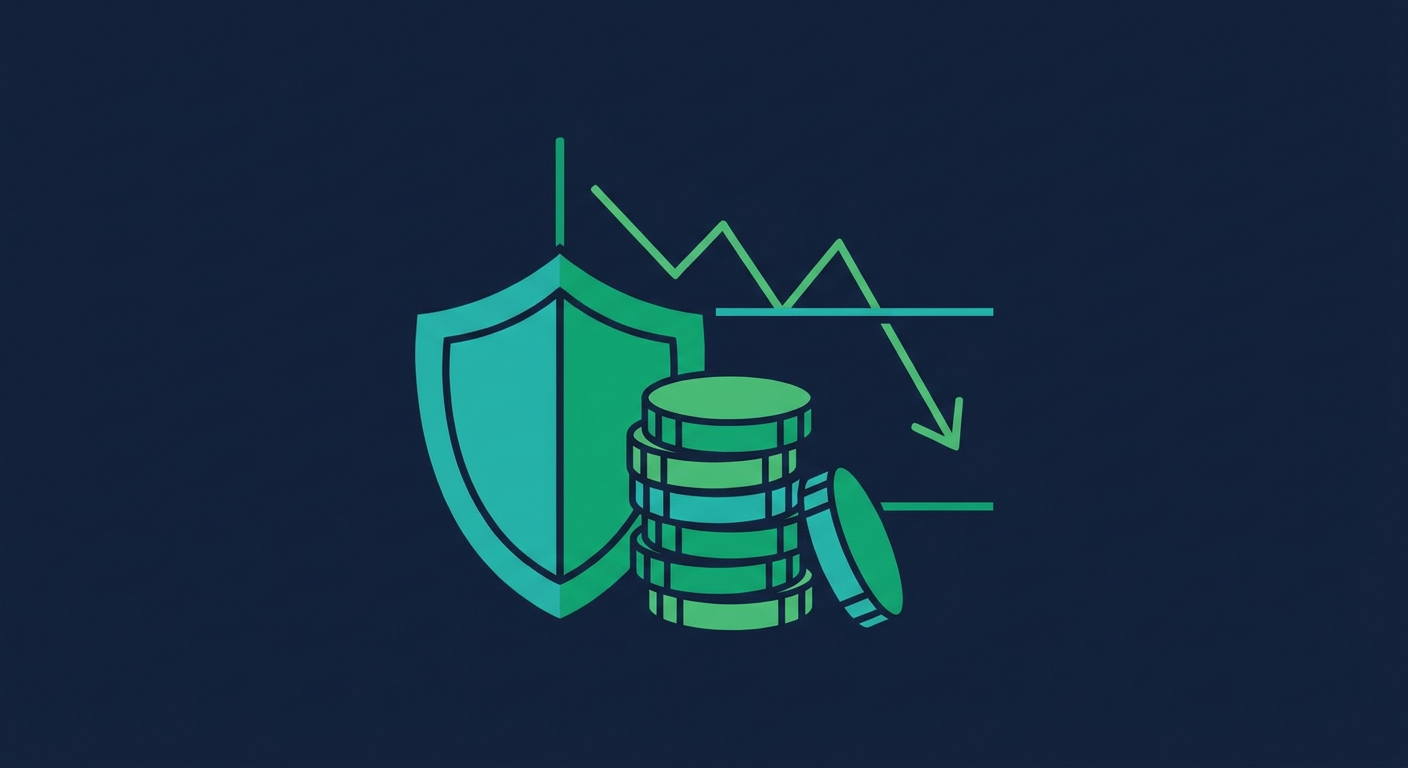
Risk management is one of the most important parts of trading. Many beginners focus only on profit. But professional trading starts with a different question: "How much can I lose if this trade is wrong?"
Basic risk management includes:
- Using a stop loss on every trade
- Risking only a small percentage per trade (1-2%)
- Avoiding oversized positions
- Not adding randomly to losing trades
- Not risking money you cannot afford to lose
- Knowing your maximum daily or weekly loss limit
A trader with poor risk management can destroy an account even with good entries. A trader with strong risk management can survive losing streaks and continue improving.
Your first goal is not to make fast money. Your first goal is to stay in the game long enough to learn.
8. Starting Capital
You need money to trade live, but you do not need to start with a large amount. In fact, starting too big can be dangerous for beginners. If the amount is too large, every trade feels emotional.
Before using real money, ask yourself:
- Can I afford to lose this money?
- Do I already understand the platform?
- Have I practiced on demo?
- Do I have a written strategy?
- Do I know my risk per trade?
- Do I have rules for when to stop?
If the answer is no, you are probably not ready for live trading yet. Trading with real money should come after preparation, not before it.
9. A Trading Journal
A trading journal is where you record your trades and review your performance. Most beginners do not journal. They only remember the trades that hurt the most or the trades that made money. This creates a distorted view of their trading.
You can track:
A trading journal helps you find patterns. Maybe you lose more during news. Maybe your strategy works better in trends. Maybe most losses come from trades outside your plan.
Without a journal, you guess. With a journal, you learn from evidence.
10. Emotional Control
Trading is not only technical. It is also emotional. You can have a good strategy and still fail if you cannot control your behavior.
Common emotional problems include:
You need to know how you react when you lose. You need to know how you behave after a win. A simple rule can help: if you are emotional, stop trading. The market will still be there tomorrow.
11. Realistic Expectations
Many people start trading with the wrong expectations. They think trading will make them rich quickly. They see screenshots online, big profits, luxury lifestyles, and people claiming trading is easy. This is dangerous.
Trading is a skill. Like every skill, it takes time, practice, mistakes, and review. At the beginning, your goals should be simple:
- Learn market basics and understand risk
- Build one strategy and practice execution
- Track trades and reduce mistakes
- Stay disciplined and review results
Do not measure your progress only by money. Measure your progress by how well you follow your process.
12. A Place to Learn From Real Strategies
Once you understand the basics, it helps to study how other traders document their strategies. This does not mean copying someone blindly. It means looking at how strategies are structured.
When reading a strategy, pay attention to:
- The market and timeframe
- The setup and entry rule
- The stop loss and take profit logic
- The risk management approach
- The explanation behind the idea
Beginner Trading Checklist
Before you start trading live, make sure you have:
If you are missing most of these, slow down. You do not need to rush. The market rewards preparation more than excitement.
Final Thoughts
You need more than a broker account and a chart. You need education, structure, risk management, emotional control, and a repeatable process.
Beginners often search for the best strategy, but the real foundation is learning how to think and act like a trader.
Start simple. Learn the basics. Practice on demo. Build one strategy. Write a trading plan. Track every trade. Review your mistakes. Improve slowly.
Trading is not about guessing. It is about having a plan, managing risk, and following a process.
Sources and editorial note
Davide Rogai reviewed these primary educational and regulatory sources when checking the guide. They support the risk warnings and market mechanics; they do not endorse Strategy Archive or any example rule shown on this page.
- Eight Things You Should Know Before Trading Forex
U.S. Commodity Futures Trading Commission · broker checks, leverage risk, fees, platform and withdrawal due diligence
- Day-Trading Risk Disclosure Statement
FINRA · experience, capital, execution, system and transaction-cost risks
- Position and Risk Management
CME Group Education · planning position risk around account size and contract characteristics
Important: A demo account helps you learn a platform, but simulated fills and emotions can differ from live trading. Verify that any broker is authorized in your jurisdiction before depositing money.
Related Articles
Risk Management for Beginners
Most beginner traders focus on one question: "How much can I make?" But a better question is: "How much can I lose if I am wrong?" Risk management is the process of protecting your trading account from large losses. It does not guarantee profit, but it helps you stay in control when the market moves against you.
How to Build a Trading Plan
A trading plan is a written set of rules that defines how you trade. It tells you what market to trade, when to enter, when to exit, how much to risk, and what to do if things go wrong. Without a plan, you are guessing. With a plan, you are following a process.
If You Want to Be a Profitable Trader, Build a Process First
If you want to be a profitable trader, the first thing you need to understand is this: profitability does not come from one perfect trade. It does not come from one indicator, one signal, one strategy screenshot, or one lucky win. Trading is not about being right once. It is about building a process that can be repeated, tested, reviewed, and improved over time.
About this article
Written and maintained by Davide Rogai under the Strategy Archive editorial policy. The material is educational, not financial advice. Trading involves significant risk of loss; verify cited facts and make decisions based on your own circumstances or advice from a qualified professional.